


Blog
Training research, coaching notes, and product stories from the OVR team.

Introducing OVR Force: A Portable Force Plate Without the Price Tag
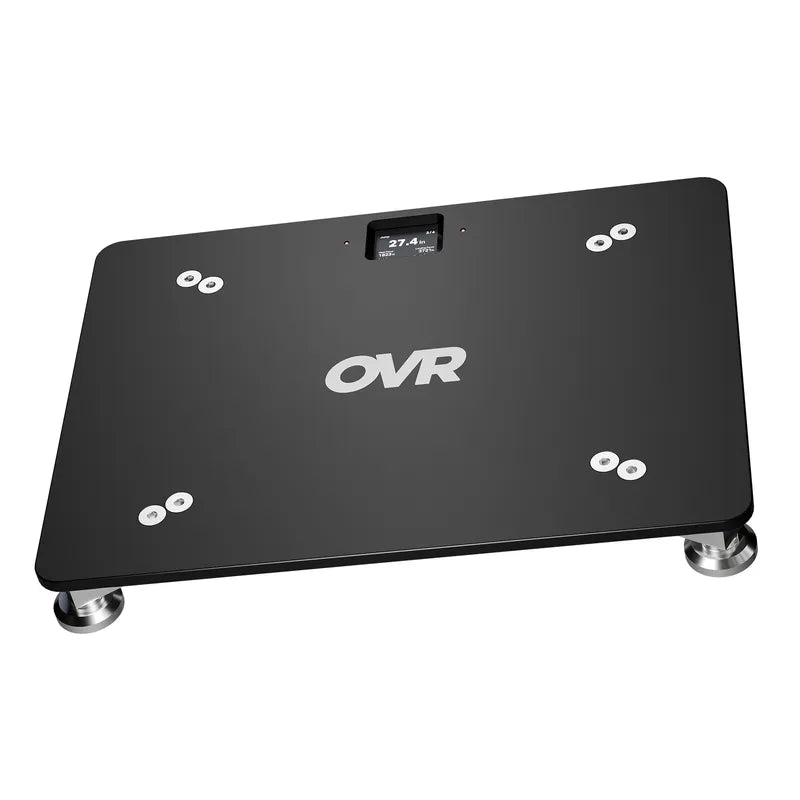
OVR Force is a portable, standalone force plate that shows results on its own screen, starts at $1,499, and runs no subscription. Same data the $10K+ pro-level plates collect, priced for any program.

The New OVR Connect App Is Here, and It's Still Free
The new OVR Connect app is here: free coach and athlete management, team sessions, and leaderboards for every OVR device. No subscription. iOS and Android.

Force Plate Buyers Guide 2026: Every Major System Compared
A 2026 force plate buyers guide comparing OVR Force, VALD, Hawkin, Meloq, and KINVENT on price, subscription, data ownership, and five-year cost.

What "Explosive" Actually Means
An explosive athlete produces force in four different ways. What each one is, how to measure it, and which one to train.

How to Jump Higher: What Works and How to Check It
How to jump higher, ranked by evidence: the three things that raise a vertical jump, the one that is holding you back, and when it to call it progress.

Can a Heavy Squat Make You Jump Higher? What Contrast Training Really Does
How much a heavy lift before jumps really helps, how long to rest in between, and what else contrast training improves.

What Age Can Kids Start Lifting Weights?
What age can kids start lifting? There is no minimum age. What appropriate load looks like, and why jumping and sprinting matter more right now.

How Many Jumps Per Week Should an Athlete Do?
Plyometric volume is counted in foot contacts, and the right weekly number changes with training level and drill intensity. Here is how to find it.

What the 60, the 30, and the 10yd Dashes Measure in Baseball
The 60, the 30, and the 10 each measure something different. Benchmark times for each baseball speed test, and how the start protocol changes the number.

Peak Bar Speed for Olympic Lifts: What to Look For at Different Loads
Peak bar speed for the snatch, clean, power variations and pulls, with the load each figure comes from and why these lifts use peak instead of average.

Why Your Laser 40 Is Slower Than the Stopwatch Time
A hand-timed 40 and a laser 40 are not the same run. Why the gap shows up, how big it gets, and what to say when a recruiter compares them.

Flying 10 Benchmarks by Gender and Level
What a good flying ten looks like for male and female athletes from middle school through the pros, and how to run the test so your numbers stay comparable across a season.

Average vs Peak Bar Speed: What Each Number Measures and When to Use It
Average and peak bar speed answer two different questions about the same rep. Here's what each one measures and when to use it.

OVR Force vs OVR Jump: When to Use Each
Not sure whether you need OVR Jump, OVR Force, or both? Here is what each measures, how they compare, and how to use them together in a program.

Broad Jump Benchmarks by Sport, Gender, and Level
Standing broad jump benchmarks across nine sports, both genders, and competition levels from middle school to professional, with sourced ranges.