

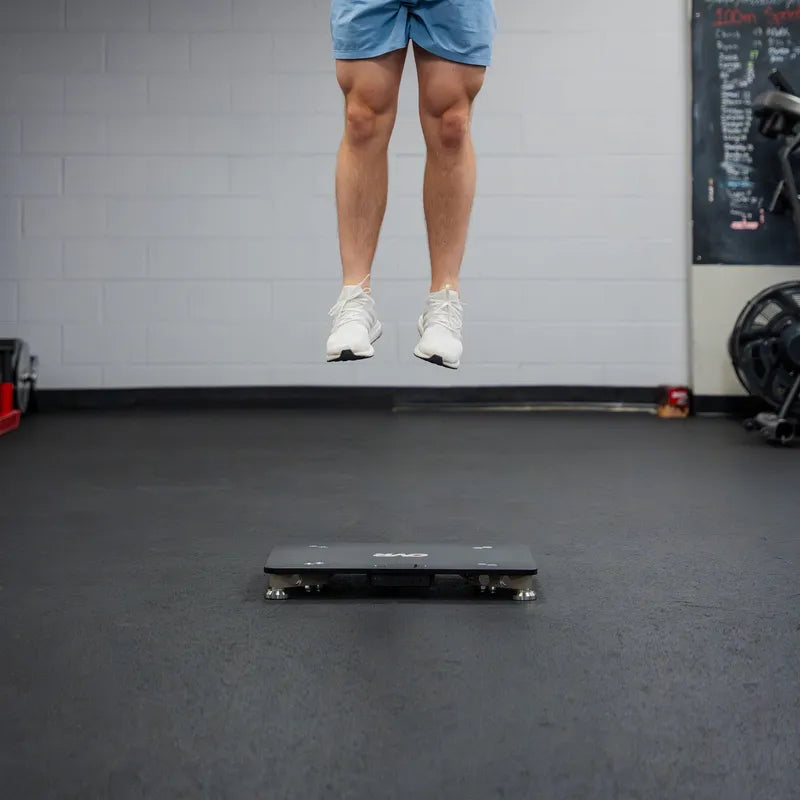


The off-season is the longest window a coach gets to actually develop athletes. Without the demands of a competitive schedule, there is real time and space to address weaknesses, build capacity, and prepare athletes for what comes next. Most programs either rush through it or treat it as downtime until preseason starts. The coaches who tend to get it right arrive at preseason with athletes who are ready for what preseason requires. Using performance tracking devices throughout is how you know if it is actually working. What follows are the principles behind doing it well.
The Off-Season Is Not Preseason
The off-season and the preseason have different jobs, and mixing them up is one of the more common mistakes in program design. The preseason takes an athlete who is physically ready and prepares them for the specific demands of competition.
The off-season is where the actual building happens. Physical capacity grows, weak points get addressed, and the body gets ready to handle harder, more focused training down the road. Skipping it does not just mean missing gains. It means the whole program is built on shaky ground, and research on how training is structured across phases confirms that general preparation tends to be the foundation most of what follows depends on [1].
The most common way this goes wrong is a short calendar. Coaches load athletes in week one before the body has had a real transition out of the season. Sport-specific skill work creeps in before any general base has been built. If athletes are running plays in week two of the off-season, the off-season has already been compromised.
Start With an Honest Picture
Before the first session gets loaded, you need an honest picture of where athletes actually are.
A long season, especially a physically tough one, leaves a mark. Soft tissue stress, neural fatigue, and months of reduced recovery do not just disappear when the final game ends. Neural fatigue, the accumulated strain on the nervous system from months of competition, does not clear overnight.
Research on overtraining suggests the body often needs a real period of reduced load before it can respond to new training [2]. Some fatigue resolves with rest and actually drives adaptation. Too much accumulated stress, though, may cause performance to drop for weeks or even months [3]. The more years of consistent, purposeful training behind them, the faster athletes tend to recover.
Sleep quality, nutrition habits, and emotional fatigue from a long season all shape how much an athlete can give in early sessions. Athletes who appear physically ready may still be mentally burned out from the season. That affects training quality and response just as much as physical fatigue does. Consider building in a week of unstructured movement before structured programming begins.
Most programs do not account for any of this. Week one gets loaded, the plan moves forward, and athletes are expected to keep pace. Starting with an honest picture of where athletes actually are is not wasted time. Run a quick baseline before committing to any loading plan: jump height, sprint times, or a few sets at a known load to check bar speed. Starting unprepared makes every phase that follows harder.
The Off-Season Is Also Your Injury Audit
The off-season is the primary window to address the movement deficiencies and injury history that build during the season. Once competition starts agagin, there is almost no time to fix structural problems. The off-season is the time to fix them.
Every coach should enter the off-season with a simple assessment. Which athletes dealt with nagging injuries, poor movement patterns when tired, and just greater wear and tear as the season wore on. The off-season is where you can address those gaps directly. The athletes who had nagging issues through the season get targeted work on those areas before the training load climbs again.
Working on mobility and stability during this phase has been shown to reduce future injury risk meaningfully [4]. Strength without sound movement mechanics tends to be a liability. The off-season is where you build both together.
GPP: Building the Base
Once you have an honest picture of where athletes are, GPP is where the building begins. General Physical Preparedness, or GPP, is the phase that builds the foundation most of what follows depends on. Think of it as raising the overall ceiling of the body: cardiovascular fitness, joint and tendon resilience, movement quality, and the ability to handle a lot of work without breaking down.
The adaptations built during GPP are what make the next phase work. A bigger aerobic base tends to support faster recovery between intense efforts [4]. Better tendon resilience may allow for more aggressive loading later. Better movement quality reduces the compensation patterns that limit how much work an athlete can absorb.
How long GPP takes depends entirely on where athletes begin. Coming off a light season it might go relatively quickly. Coming off a brutal playoff run it may take considerably longer. Jumping into high volumes of sport practice before the body is ready tends to be a liability regardless of how much time is on the calendar.
Power and speed-dominant sports tend to emphasize absolute strength and tendon loading during GPP. Endurance-based sports tend to weight the aerobic base more heavily. Team sports with condensed off-season windows often need to move through GPP quickly, which makes starting it before any skill work creeps in even more important.
Intensity Should Not Disappear
While the phases shift and the emphasis changes, one principle applies throughout the entire off-season: intensity cannot be allowed to disappear entirely. Explosive movements, fast efforts, and higher load work in small doses keep speed and power from fading while the general base is being built.
Research on detraining shows that explosive power and high velocity movement can start to decline within one to two weeks of insufficient stimulus [5]. Strength tends to hold for roughly three to four weeks before meaningful losses appear. Explosive qualities tend to go first, and they can be particularly difficult to rebuild once lost [6]. Even a two week break has been shown to cause meaningful drops in sprint ability [7].
A few sets of jumps, throws, or accelerations at the start of sessions when the nervous system is fresh tend to keep those qualities primed without adding significant fatigue. The starting principles of speed training apply here. In most cases, intent matters more than volume. A few all-out reps beats a lot of casual ones. A less experienced athlete may hold these qualities slightly longer, but maintaining intensity throughout applies broadly regardless of training age [5].
From General to Specific
As GPP builds the foundation, training gradually shifts toward SPP, or Specific Physical Preparedness, which focuses on the actual energy systems and physical demands of the athlete's sport. This handoff works best as a gradual shift in thirds.
The early off-season is mostly general work. The middle phase shifts the ratio, and by the final weeks the majority of training reflects sport demands while the general foundation stays active. Rushing that progression before the base is solid tends to produce athletes who peak too early or struggle when competition demands rise. The way an athlete's sport uses energy, whether in short explosive bursts like basketball or sustained output like cross country, also shapes how this phase is structured.
Jump height and reactive strength index scores are particularly useful readiness signals during this transition. When jump numbers hold or climb as volume shifts, the athlete is adapting to the change well. When those numbers are flat or dropping, the body is telling you something the training log might not.
Measurement as a Decision-Making Tool
Knowing whether the right qualities are being maintained requires more than observation. Jump height, sprint times, and bar velocity at key checkpoints give real information you can act on before a problem becomes a setback. Without objective data, coaches can miss things that the data could catch early.
Research in strength and conditioning confirms that without objective performance markers, coaches tend to rely on subjective feedback that may not always reflect where an athlete actually is [8].
Pick a small set of consistent checkpoints and run them every one to two weeks. A fixed load squat, a standing vertical, and a short sprint are a reasonable place to start. The goal is not a formal testing day. It is a data point that tells you whether the program is working. For strength work, bar velocity trending upward week over week at the same load is a reliable sign the base is building. For jumps, a rising RSI score points to improving explosiveness. For sprints, times holding or improving as volume climbs means the athlete is responding well.
What This Looks Like in Practice
These are not full programs, just a rough sketch of the structure and intent behind each phase.
| Phase | Focus | Volume / Intensity | Key signals |
|---|---|---|---|
| Early off-season | Movement quality, aerobic base, tissue resilience, injury audit | Higher volume, lower intensity | Athletes recovering well between sessions; movement quality improving |
| Mid off-season | Strength development, acceleration work, light skill training | Volume holds, intensity climbs | Loads climbing without a drop in performance numbers |
| Late off-season | Power, full-speed work, peak loading | Moderate volume, high intensity | Athletes feeling sharp; output holding at reduced volume |
No two athletes enter the off-season in the same place. Training history, injury patterns, and what lies ahead all shape how these phases should be weighted and how long each one lasts. The sketch above is a starting point. Coaches who use with these principles give their athletes a better chance at being prepared. They can be ready for what it requires and with fewer surprises when it counts.
References
[1] Bompa, T.O., and Buzzichelli, C.A. (2019). Periodization: Theory and Methodology of Training (6th ed.). Human Kinetics.
[2] Kenttä, G., and Hassmén, P. (1998). Overtraining and recovery: A conceptual model. Sports Medicine, 26(1), 1–16.
[3] Meeusen, R., Duclos, M., Foster, C., Fry, A., Gleeson, M., Nieman, D., Raglin, J., Rietjens, G., Steinacker, J., and Urhausen, A. (2013). Prevention, diagnosis and treatment of the overtraining syndrome: Joint consensus statement of the European College of Sport Science and the American College of Sports Medicine. Medicine and Science in Sports and Exercise, 45(1), 186–205.
[4] Verkhoshansky, Y., and Siff, M.C. (2009). Supertraining (6th ed.). Verkhoshansky SSTM.
[5] Mujika, I., and Padilla, S. (2000). Detraining: Loss of training-induced physiological and performance adaptations. Part I: Short term insufficient training stimulus. Sports Medicine, 30(2), 79–87.
[6] Mujika, I., and Padilla, S. (2001). Muscular characteristics of detraining in humans. Medicine and Science in Sports and Exercise, 33(8), 1297–1303.
[7] Rodríguez-Fernández, A., Sánchez-Sánchez, J., Ramirez-Campillo, R., Rodríguez-Marroyo, J.A., Villa Vicente, J.G., and Nakamura, F.Y. (2018). Effects of short-term in-season break detraining on repeated-sprint ability and intermittent endurance according to initial performance of soccer players. PLOS ONE, 13(8), e0201111.
[8] Haff, G.G., and Triplett, N.T. (Eds.). (2016). Essentials of Strength Training and Conditioning (4th ed.). Human Kinetics.


