
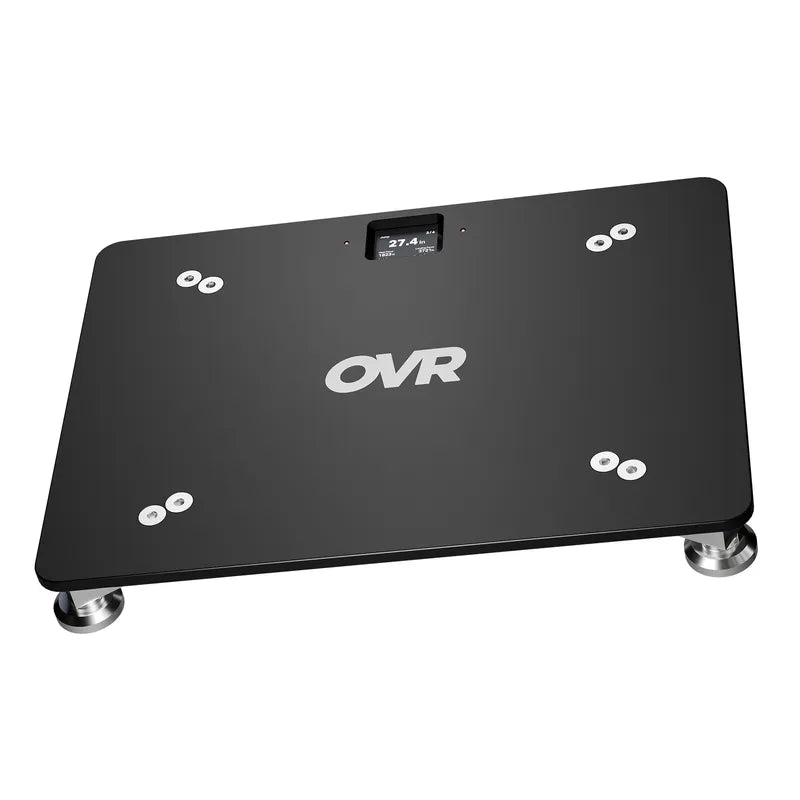
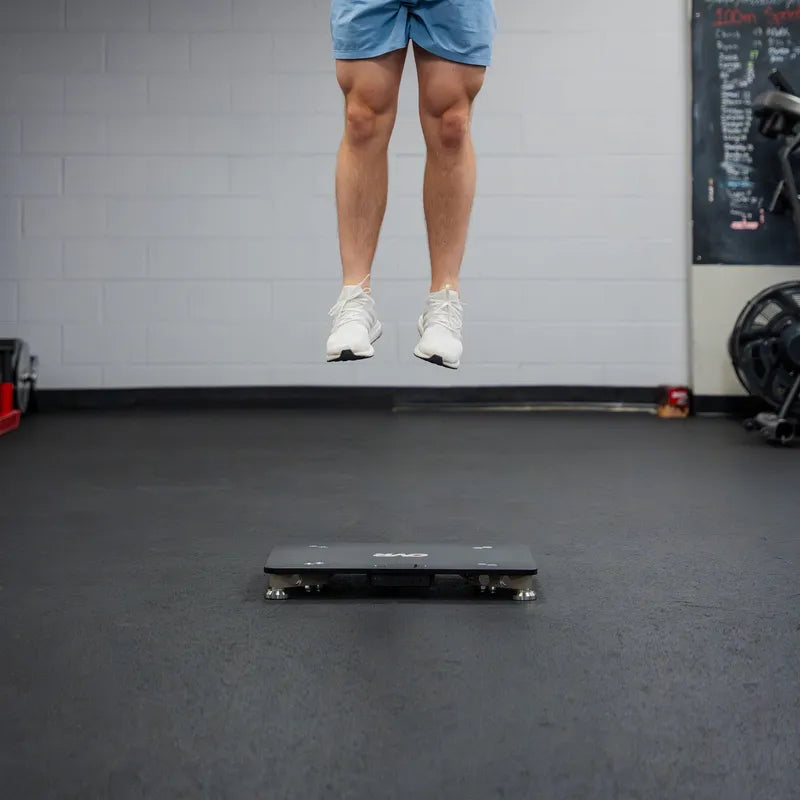


Are you looking to elevate your athletic performance and skyrocket your vertical jump? Dumbbell jumps might be the secret weapon you've been missing. This explosive exercise not only enhances power but also refines technique, enabling you to reach new heights—literally. Use a vertical jump tool to track your new progress.
In this guide, we'll dive into the mechanics of dumbbell jumps, how to incorporate them into your workout routine, and why they are essential for boosting explosive strength.
Watch the full video here!
What Are Dumbbell Jumps?
Dumbbell jumps are a plyometric exercise that combines the resistance of weights with the explosive movement of jumping. By holding dumbbells while jumping, you are forced to generate more power. This increased power demand leads to greater strength and explosive capabilities over time.
Benefits of Dumbbell Jumps
- Enhanced Explosive Power: The added weight increases the force you must produce, improving your ability to generate power quickly.
- Improved Vertical Jump: Regular practice can lead to significant gains in your vertical leap, benefiting many sports.
- Strengthened Lower Body: Targets quads, hamstrings, glutes, and calves, contributing to overall lower body strength.
- Better Force Transfer: Teaches your body to efficiently transfer force from the ground up through your body.
Choosing Dumbbell Weight
Selecting the appropriate dumbbell weight will maximize the benefits and minimize the risk of injury. Here's a general guide to choosing dumbbells:
- Beginners: If you're new to dumbbell jumps or plyometric exercises, start with light dumbbells (5-15lbs).
- Intermediate: If you have some experience, you can use moderate weights (15-25lbs).
- Advanced: Experienced athletes can use heavier dumbbells (25-30 lbs or more), depending on their strength.
Incorporating Dumbbell Jumps into Your Workout
Sample Workout Routine
- Warm-Up
- Dumbbell Jumps: 4 sets of 1 jump with 45-60 seconds rest
-
Bodyweight Jumps: 4 sets of 1 jump with 45-60 seconds rest

Want a full jump training program? Get our free 6-week conjugate program.
Progressive Overload
To continue making gains, gradually increase:
- Weight: Add 5lbs to each dumbbell every few weeks while achieving the same jump height.
- Height: Achieve a higher jump height with the same dumbbells.
The Science Behind Dumbbell Jumps
Dumbbell jumps are a form of resisted plyometrics, which combine strength and speed to produce power. When you add weight to jumps, you must exert more force during the concentric (upward) phase. This increased force production leads to:
- Muscle Fiber Recruitment: Activates more fast-twitch muscle fibers responsible for explosive movements.
- Improved Rate of Force Development (RFD): Enhances how quickly you can generate force, crucial for athletic performance.
- Neuromuscular Adaptations: Trains your nervous system to coordinate actions more effectively.
Real-World Application
In our example training session, athletes incorporated dumbbell jumps at the beginning of their workouts. Holding 30lb dumbbells in each hand, they performed sets of explosive jumps, focusing on driving through the ground and maximizing height.
We saw that when removing the weights and performing unweighted jumps, the athletes achieved higher verticals than before. This phenomenon, known as post-activation potentiation, temporarily enhances muscle performance following heavy resistance exercises.
Key Takeaways from the Session:
- Rest Period: Athletes should take turns, ensuring 45 seconds to one minute of rest between attempts, allowing for maximum output each time.
- Focus on Quality Over Quantity: Emphasize executing each jump with maximum effort rather than performing sub-maximal reps.
- Push Through the Ground: Concentrate on pushing into the ground as hard as possible, producing peak force output.
Boost Your Training with Jump Measurement Devices
To track your progress and stay motivated, using a tool like OVR Jump is a difference maker. This tool provides real-time data on your jump height, helping you compete with your previous best jumps to increase intensity.

Conclusion
Dumbbell jumps are a powerful exercise to boost explosive strength and increase your vertical jump. By incorporating them into your training routine, you'll enhance your athletic performance and gain a competitive edge.
Like everything, consistency is key. Combine dumbbell jumps with a complete workout regimen and adequate rest to maximize your results.
Ready to take your jumps to new heights? Start integrating dumbbell jumps into your workouts today and experience the difference!


