
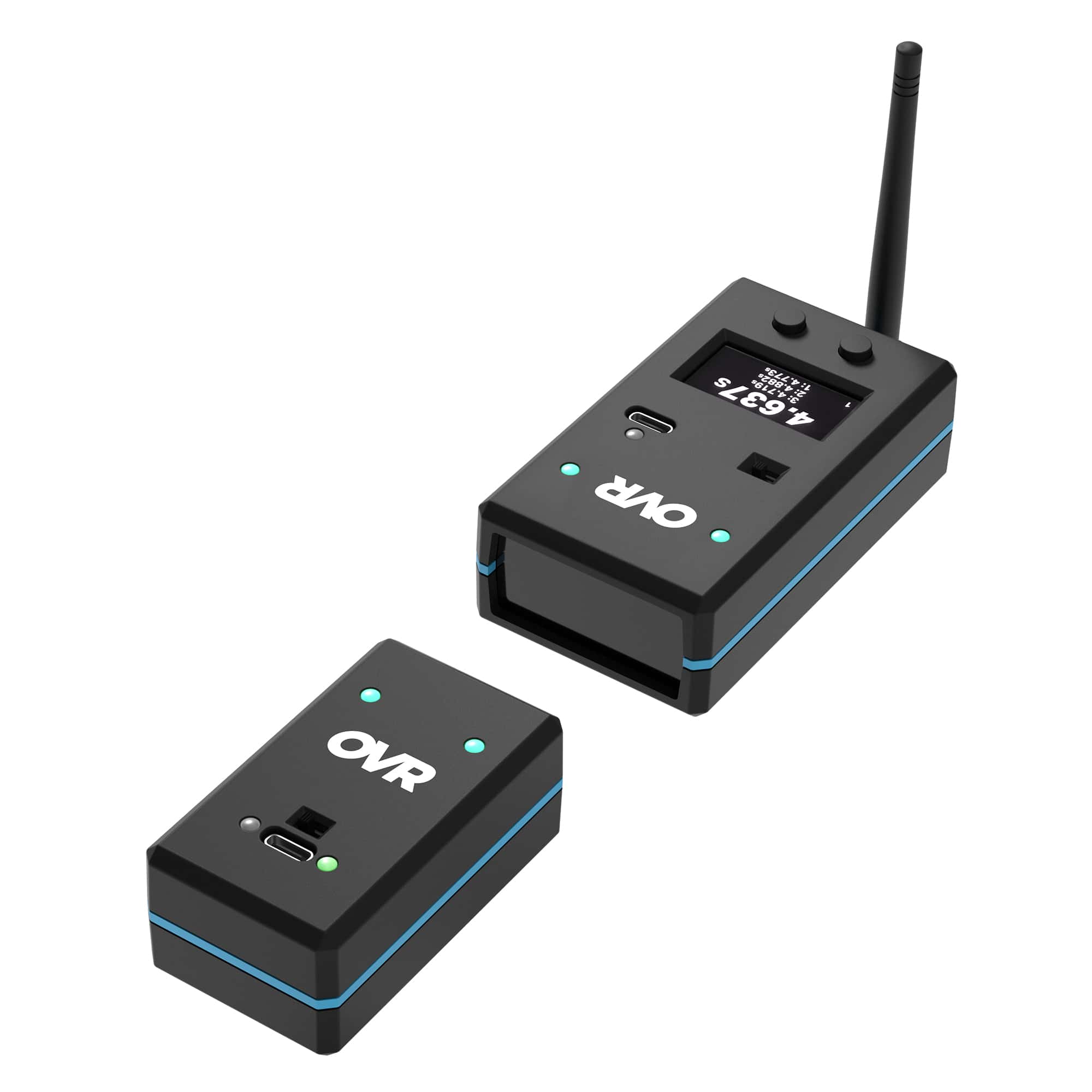
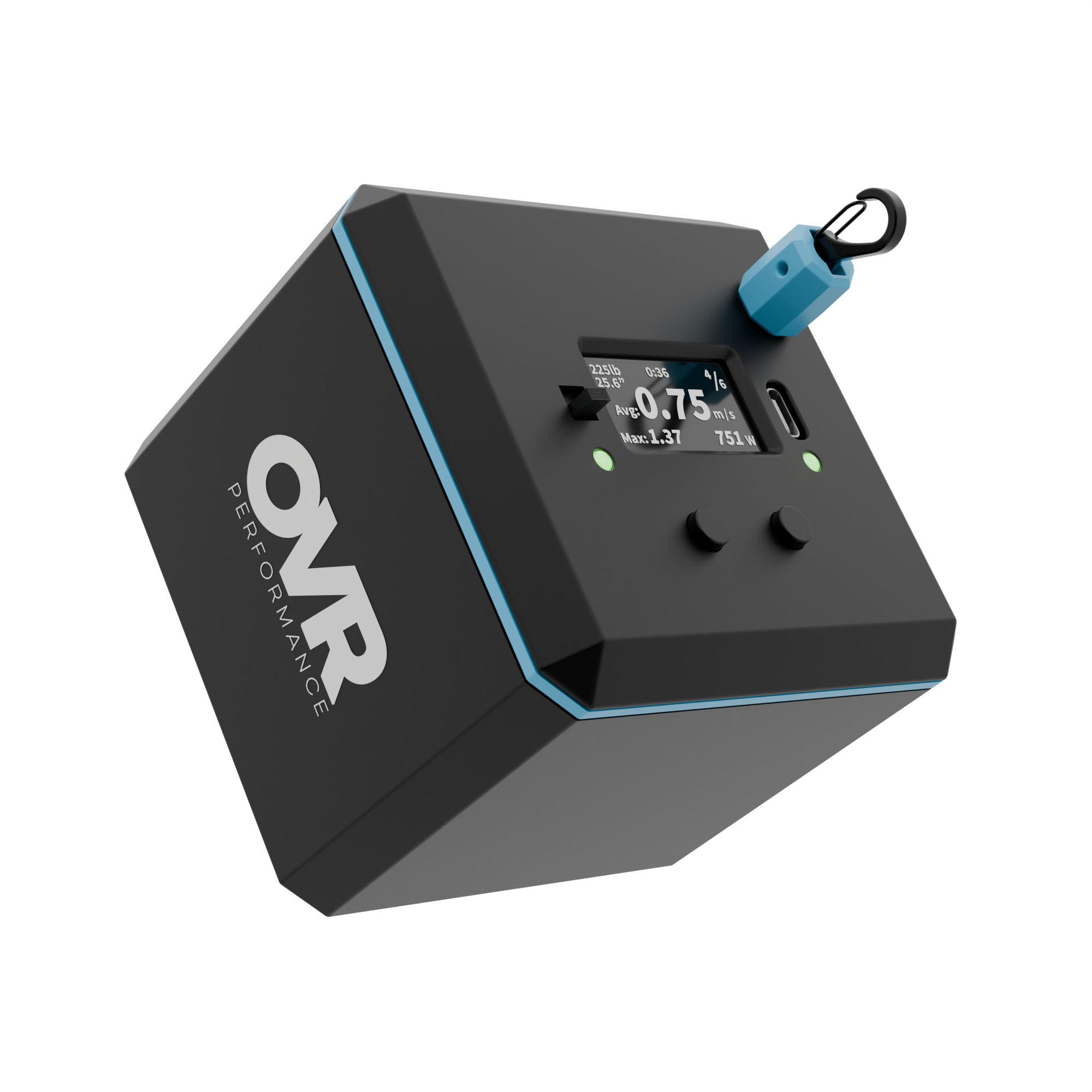
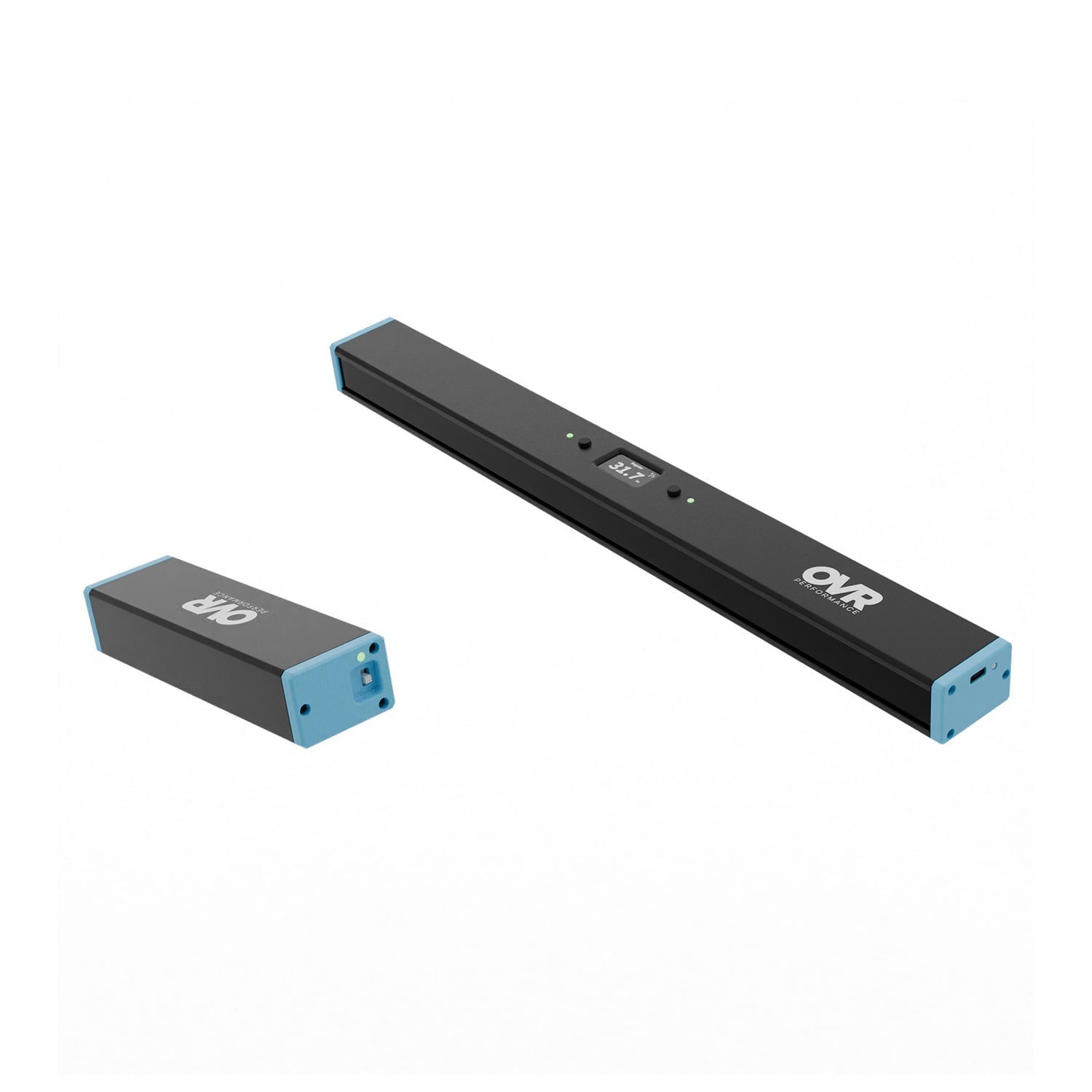


A 24-inch vertical jump means different things depending on who's jumping. For an average adult with no athletic background, 24 inches puts you well above the norm. For a high school running back trying to get recruited, it's about middle of the pack. For a D1 volleyball player, it's a number to work on. Good benchmark data exists across most sports, but it tends to live in isolated studies, cover men only, or stop at the general population level without breaking down by sport. This post covers both genders across every major sport, from middle school through professional. If you're testing athletes regularly with a laser jump tester, this is the sport-specific context you need.
A note on these numbers: The benchmarks in this post are drawn from peer-reviewed literature, published normative data, and established coaching guidelines. Where direct sport-specific data exists, we used it. Where data is limited, particularly at the middle school level and for women's sports, figures are extrapolated from high school norms and age-adjusted development curves. All numbers should be treated as reference ranges, not absolute targets, and interpreted alongside the athlete's sport, position, training age, and testing tool. Sports with the widest of ranges amongst position groups we will address directly by position in future posts.
Where the Average Athlete Actually Stands
The tables below cover the full range from average to elite, for both men and women, from middle school through professional ages. Start here before going sport-specific.
Males
| Stage | Average | Good | Advanced | Elite |
|---|---|---|---|---|
| Middle School (12–14) | 15–18 in | 19–22 in | 23–26 in | 27 in+ |
| High School (14–18) | 17–20 in | 21–24 in | 25–28 in | 29–32 in+ |
| College (18–22) | 19–22 in | 23–26 in | 27–30 in | 31–35 in+ |
| Professional (22–32) | 21–24 in | 25–28 in | 29–32 in | 33–38 in+ |
Females
| Stage | Average | Good | Advanced | Elite |
|---|---|---|---|---|
| Middle School (12–14) | 12–14 in | 15–18 in | 19–21 in | 22–24 in+ |
| High School (14–18) | 13–15 in | 16–19 in | 20–22 in | 23–25 in+ |
| College (18–22) | 14–16 in | 17–20 in | 21–23 in | 24–27 in+ |
| Professional (22–32) | 15–17 in | 18–21 in | 22–24 in | 25–30 in+ |
Any athlete who has been in a serious strength and conditioning program for more than a year should expect to sit at "good" or above for their age group. Athletes in sport-specific training with jump-focused programming typically test higher still.
Sport-by-Sport Vertical Jump Benchmarks
The tables below reflect standing vertical jump testing, which is how OVR Jump measures. Testing methodology affects the number, so keep that in mind when comparing across programs.
Basketball
No sport has more vertical jump data than basketball. The NBA Combine has published results for decades, and that body of data draws the clearest line between good, great, and elite.
Men's Basketball
| Level | Average | Good | Advanced | Elite |
|---|---|---|---|---|
| Middle School | 15–18 in | 19–21 in | 22–24 in | 25 in+ |
| High School | 20–23 in | 24–26 in | 27–29 in | 30 in+ |
| College | 24–27 in | 28–30 in | 31–33 in | 34 in+ |
| Professional | 27–29 in | 30–32 in | 33–36 in | 37 in+ |
Women's Basketball
| Level | Average | Good | Advanced | Elite |
|---|---|---|---|---|
| Middle School | 11–13 in | 14–16 in | 17–19 in | 20 in+ |
| High School | 14–16 in | 17–19 in | 20–22 in | 23 in+ |
| College | 17–19 in | 20–22 in | 23–25 in | 26 in+ |
| Professional | 20–22 in | 23–24 in | 25–27 in | 28 in+ |
Guards typically test 2 to 4 inches higher than big men and post players at the same level. How much vertical you need to dunk is determined as much by standing reach as by raw jump height, which is why two players the same size can have very different targets. Arm length and height change the math considerably.
Volleyball
Volleyball is the sport where vertical jump is most directly tied to performance. Getting above the net changes what a player can do offensively and defensively.
Men's Volleyball
| Level | Average | Good | Advanced | Elite |
|---|---|---|---|---|
| Middle School | 15–18 in | 19–21 in | 22–24 in | 25 in+ |
| High School | 19–23 in | 24–26 in | 27–29 in | 30 in+ |
| College | 22–26 in | 27–29 in | 30–32 in | 33 in+ |
| Professional / Club | 24–28 in | 29–31 in | 32–34 in | 36 in+ |
Women's Volleyball
| Level | Average | Good | Advanced | Elite |
|---|---|---|---|---|
| Middle School | 11–13 in | 14–16 in | 17–19 in | 20 in+ |
| High School | 14–17 in | 18–20 in | 21–23 in | 24 in+ |
| College | 19–21 in | 22–24 in | 25–27 in | 28 in+ |
| Professional / Club | 22–24 in | 25–27 in | 28–30 in | 31 in+ |
Outside hitters and middle blockers tend to test at the higher end of any given level. Liberos and setters typically test a few inches lower within the same team.
Football
No testing event produces more detailed athletic data than the NFL Combine, and vertical jump is one of its most watched measurements.
Football
| Level | Average | Good | Advanced | Elite |
|---|---|---|---|---|
| Middle School | 15–18 in | 19–22 in | 23–26 in | 27 in+ |
| High School | 20–24 in | 25–28 in | 29–32 in | 33 in+ |
| College | 27–30 in | 31–33 in | 34–36 in | 37 in+ |
| NFL | 30–33 in | 34–36 in | 37–39 in | 40 in+ |
Position creates a wide spread within these ranges. Skill positions like wide receivers and cornerbacks typically test 6 to 10 inches higher than linemen at the same level. A wide receiver and a lineman both sitting at 30 inches in high school are in very different places relative to what their position demands.
Soccer
Soccer vertical jump benchmarks don't get as much attention in S&C literature, but jump height matters for heading duels, crossing situations, and goalkeeper performance.
Men's Soccer
| Level | Average | Good | Advanced | Elite |
|---|---|---|---|---|
| Middle School | 13–16 in | 17–19 in | 20–22 in | 23 in+ |
| High School / Club | 18–21 in | 22–24 in | 25–27 in | 28 in+ |
| College / Professional | 20–23 in | 24–26 in | 27–29 in | 30 in+ |
Women's Soccer
| Level | Average | Good | Advanced | Elite |
|---|---|---|---|---|
| Middle School | 10–12 in | 13–15 in | 16–18 in | 19 in+ |
| High School / Club | 13–15 in | 16–18 in | 19–21 in | 22 in+ |
| College / Professional | 15–17 in | 18–20 in | 21–23 in | 24 in+ |
Goalkeepers and central defenders tend to test higher within their teams. Midfielders and fullbacks typically train for other physical qualities where vertical jump is less of a factor.
Baseball and Softball
Baseball is not typically thought of as a jumping sport, but vertical jump correlates well with lower-body power, which directly affects throwing velocity and bat speed.
Baseball
| Level | Average | Good | Advanced | Elite |
|---|---|---|---|---|
| Middle School | 13–16 in | 17–19 in | 20–22 in | 23 in+ |
| High School | 18–21 in | 22–24 in | 25–27 in | 28 in+ |
| College | 21–24 in | 25–27 in | 28–30 in | 31 in+ |
| Professional | 24–27 in | 28–30 in | 31–33 in | 34 in+ |
Softball
| Level | Average | Good | Advanced | Elite |
|---|---|---|---|---|
| Middle School | 10–12 in | 13–15 in | 16–18 in | 19 in+ |
| High School | 12–15 in | 16–18 in | 19–21 in | 22 in+ |
| College | 15–17 in | 18–20 in | 21–23 in | 24 in+ |
| Professional | 17–19 in | 20–22 in | 23–25 in | 26 in+ |
Outfielders and middle infielders tend to test higher than catchers and infielders. Pitchers vary widely depending on their training background.
Track and Field
Sprinters and jumpers tend to have the highest verticals within track and field. The explosive hip extension and rate of force development that drives sprint speed is the same quality that drives jump height.
Men's Track and Field
| Level | Average | Good | Advanced | Elite |
|---|---|---|---|---|
| Middle School | 16–19 in | 20–22 in | 23–25 in | 26 in+ |
| High School | 20–24 in | 25–27 in | 28–29 in | 30 in+ |
| College | 23–27 in | 28–30 in | 31–32 in | 33 in+ |
| Elite / Olympic | 26–30 in | 31–33 in | 34–36 in | 37 in+ |
Women's Track and Field
| Level | Average | Good | Advanced | Elite |
|---|---|---|---|---|
| Middle School | 12–14 in | 15–17 in | 18–20 in | 21 in+ |
| High School | 16–19 in | 20–22 in | 23–25 in | 26 in+ |
| College | 19–22 in | 23–25 in | 26–28 in | 29 in+ |
| Elite / Olympic | 24–26 in | 27–29 in | 30–32 in | 33 in+ |
These numbers reflect sprinters and jumpers specifically. High jumpers tend to test at the top of those ranges. Distance runners will typically test well below them, as vertical power is not a primary training focus.
Rugby
Rugby requires explosive power from a wide range of body types, and vertical jump varies significantly by position. Backs are among the most explosive athletes in the sport. Forwards, particularly props and hookers, carry more mass and test considerably lower.
Men's Rugby
| Level | Average | Good | Advanced | Elite |
|---|---|---|---|---|
| Middle School | 13–16 in | 17–19 in | 20–22 in | 23 in+ |
| High School | 18–22 in | 23–25 in | 26–28 in | 29 in+ |
| College | 22–26 in | 27–29 in | 30–32 in | 33 in+ |
| Professional | 24–28 in | 29–31 in | 32–34 in | 35 in+ |
Women's Rugby
| Level | Average | Good | Advanced | Elite |
|---|---|---|---|---|
| Middle School | 10–12 in | 13–15 in | 16–18 in | 19 in+ |
| High School | 13–16 in | 17–19 in | 20–22 in | 23 in+ |
| College | 16–19 in | 20–22 in | 23–25 in | 26 in+ |
| Professional | 18–21 in | 22–24 in | 25–27 in | 28 in+ |
Outside backs, wingers, and centers typically test 6 to 8 inches higher than props and forwards at the same level. The wide range within these tables reflects that positional spread.
Hockey
Hockey players are tested at the NHL Combine using a standing vertical jump with arm swing. NHL draft prospects have averaged 24–27 inches over multiple years of combine data, placing ice hockey in a solid mid-range athletic tier for lower-body power.
Men's Hockey
| Level | Average | Good | Advanced | Elite |
|---|---|---|---|---|
| Middle School | 13–16 in | 17–19 in | 20–22 in | 23 in+ |
| High School | 18–21 in | 22–24 in | 25–27 in | 28 in+ |
| College | 22–25 in | 26–28 in | 29–31 in | 32 in+ |
| Professional | 25–28 in | 29–31 in | 32–34 in | 35 in+ |
Women's Hockey
| Level | Average | Good | Advanced | Elite |
|---|---|---|---|---|
| Middle School | 10–12 in | 13–15 in | 16–18 in | 19 in+ |
| High School | 13–16 in | 17–19 in | 20–22 in | 23 in+ |
| College | 16–18 in | 19–21 in | 22–24 in | 25 in+ |
| Professional | 18–21 in | 22–24 in | 25–27 in | 28 in+ |
Forwards and defensemen test similarly. Goaltenders vary widely depending on their off-ice training background.
Lacrosse
Lacrosse sits in a similar athletic range to soccer and baseball for vertical jump. A college-level benchmark of 29 inches is a commonly cited performance standard for men's players. Women's D1 data via peer-reviewed research confirms figures consistent with other field sport athletes at the same level.
Men's Lacrosse
| Level | Average | Good | Advanced | Elite |
|---|---|---|---|---|
| Middle School | 13–16 in | 17–19 in | 20–22 in | 23 in+ |
| High School | 18–21 in | 22–24 in | 25–27 in | 28 in+ |
| College | 22–25 in | 26–28 in | 29–31 in | 32 in+ |
| Professional | 24–27 in | 28–30 in | 31–33 in | 34 in+ |
Women's Lacrosse
| Level | Average | Good | Advanced | Elite |
|---|---|---|---|---|
| Middle School | 10–12 in | 13–15 in | 16–18 in | 19 in+ |
| High School | 13–15 in | 16–18 in | 19–21 in | 22 in+ |
| College | 17–19 in | 20–22 in | 23–25 in | 26 in+ |
| Professional | 18–21 in | 22–24 in | 25–27 in | 28 in+ |
Positional differences in lacrosse are less pronounced than in football or rugby. Research on women's D1 players found minimal position-based variation in vertical jump performance across field positions.
Understanding Your Numbers
Understanding the differences between measurement devices makes cross-program comparisons meaningful rather than confusing. OVR Jump measures standing vertical using flight time and includes the plantar flexion phase, the toe rise before full takeoff. Force plates start their measurement at toe-off, which produces a lower number by design. Neither is wrong. They measure from different starting points, and the OVR number will typically run 3.5 to 4 inches higher on the same athlete.
The Vertec is a physical reach device, which gives athletes a tangible target and works well in certain environments. The variable to watch is standing reach calibration. If an athlete does not fully extend during calibration, the recorded jump height is inflated. Each jump testing device works differently, and the method behind a number matters as much as the number itself.
If your athletes have tested on force plates at another program, a quick briefing before they see their OVR Jump results goes a long way. A higher number reflects what the tool is built to measure, not a discrepancy to explain away.
What to Do With a Benchmark
The number only tells you something useful when it has context. Vertical jump demands vary by sport, position, and level. The tables in this post are built to reflect that. The difference between average and elite in one sport can be smaller than the difference between positions within the same sport. A number that signals a clear training priority for one athlete can be right on target for another at the same level. Before drawing conclusions from a result, find the reference point that actually matches the sport and position of the athlete you are testing, not just their age or gender.
A benchmark is only as reliable as the protocol behind it. Vertical jump is sensitive enough to detect real changes in power and recovery across a training cycle. If the conditions change between sessions, you lose the ability to compare results meaningfully. Surface, footwear, warm-up state, and device placement all influence the result. Those variables add up across a season. Locking in a consistent vertical jump testing technique from the start is what makes the data worth keeping.
Coaches who test regularly start to notice things the number alone does not show. Vertical jump responds quickly to both fatigue and adaptation. That makes it useful well beyond a single testing day. A drop mid-season is often the first sign that an athlete is carrying too much fatigue. A rebound after a deload week confirms the recovery worked. Used consistently, it becomes one of the more reliable windows a coach has into whether training is actually working.
References
- Hanson, L., et al. (2010). Vertical jumping and leg power normative data for English school children aged 10–15 years. Journal of Sports Science, 28(8), 867–873.
- Ramirez-Velez, R., et al. (2017). Vertical jumping and leg power normative reference values for Colombian schoolchildren. Revista de la Facultad de Medicina, 65(2), 239–246.
- Bogdanis, G. C., et al. (2019). Can sport-specific training affect vertical jumping ability during puberty? BMC Sports Science, Medicine and Rehabilitation, 11, 11.
- Cartwright Fitness. (2023). Vertical jump test normative data.
- American Council on Exercise. (n.d.). Vertical jump assessment protocol and norms.
- Topend Sports. (2025). Vertical jump norms: Average height standards for men and women.
- Marathon Handbook. (2026). Average vertical jump by age and sex.
- MAT Assessment. (2023). Power testing: Vertical hop test.
- Ziv, G., & Lidor, R. (2010). Vertical jump in female and male basketball players. Journal of Science and Medicine in Sport, 13(3), 332–339.
- NBA Draft Combine. (2025). Combine measurement summaries.
- Topend Sports. (n.d.). Vertical jump test scores and results by sport.
- BrianMac Sports Coach. (2026). Sargent jump test.
- MAT Assessment. (2023). Power testing: Vertical hop test [HS and college female norms].
- McInnis, A. K., Rush, M., Littlefield, T., Calci, C., & Donahue, P. T. (2023). Comparison of vertical jump performance between female collegiate basketball and volleyball athletes. International Journal of Exercise Science: Conference Proceedings, 16(2), 303.
- Topend Sports. (2025). Basketball vs volleyball vertical jump comparison.
- Volleyball Vault. (2026). The highest vertical jumps in volleyball.
- Peak Strength / Garage Strength. (2026). Vertical jump benchmarks by sport and level.
- World Metrics / NFL Combine data aggregation. (2024). Average NFL vertical jump statistics by position.
- Hoffman, J. R., et al. (2018). Profiling of junior college football players and differences between position groups. Sports, 6(2), 30.
- Sattler, T., Hadžić, V., Dervišević, E., & Markovic, G. (2015). Vertical jump performance of professional male and female volleyball players: effects of playing position and competition level. Journal of Strength and Conditioning Research, 29(6), 1486–1493.
- LPS Athletic. (2026). NBA Draft Combine stats: Measurements, agility and strength standards.
- Topend Sports. (2025). Vertical jump test scores and results by sport.
- Weakley, J., et al. (2022). Force plate-derived countermovement jump normative data and benchmarks for professional rugby league players. Sensors, 22(22), 8669.
- Argus, C. K., et al. (2020). Testing methods and physical qualities of male age grade rugby union players: A systematic review. PLOS One, 15(6), e0233796.
- Sell, K. M., et al. (2018). Comparison of physical fitness parameters for starters vs. nonstarters in an NCAA Division I men's lacrosse team. Journal of Strength and Conditioning Research, 32(11), 3202–3209.
- Burr, J. F., Jamnik, R. K., Baker, J., Macpherson, A., Gledhill, N., & McGuire, E. J. (2008). Relationship of physical fitness test results and hockey playing potential in elite-level ice hockey players. Journal of Strength and Conditioning Research, 22(5), 1535–1543.
- Vescovi, J. D., et al. (2006). Descriptive characteristics of NCAA Division I women lacrosse players. Journal of Science and Medicine in Sport, 9(6), 496–502.
- Burr, J. F., Jamnik, V. K., Dogra, S., & Gledhill, N. (2007). Evaluation of jump protocols to assess leg power and predict hockey playing potential. Journal of Strength and Conditioning Research, 21(4), 1139–1145.


Leave a comment
This site is protected by hCaptcha and the hCaptcha Privacy Policy and Terms of Service apply.