


Ask most coaches what plyometric training is and they will describe box jumps, squat jumps, broad jumps. All useful exercises, and all missing the one mechanical ingredient that makes a movement plyometric. A box jump lets the athlete reset between landing and takeoff. A squat jump starts from a dead stop. Without an involuntary stretch, a forced reaction, and elastic energy to capture, the reactive demand that transfers to sprint speed tends not to be there.
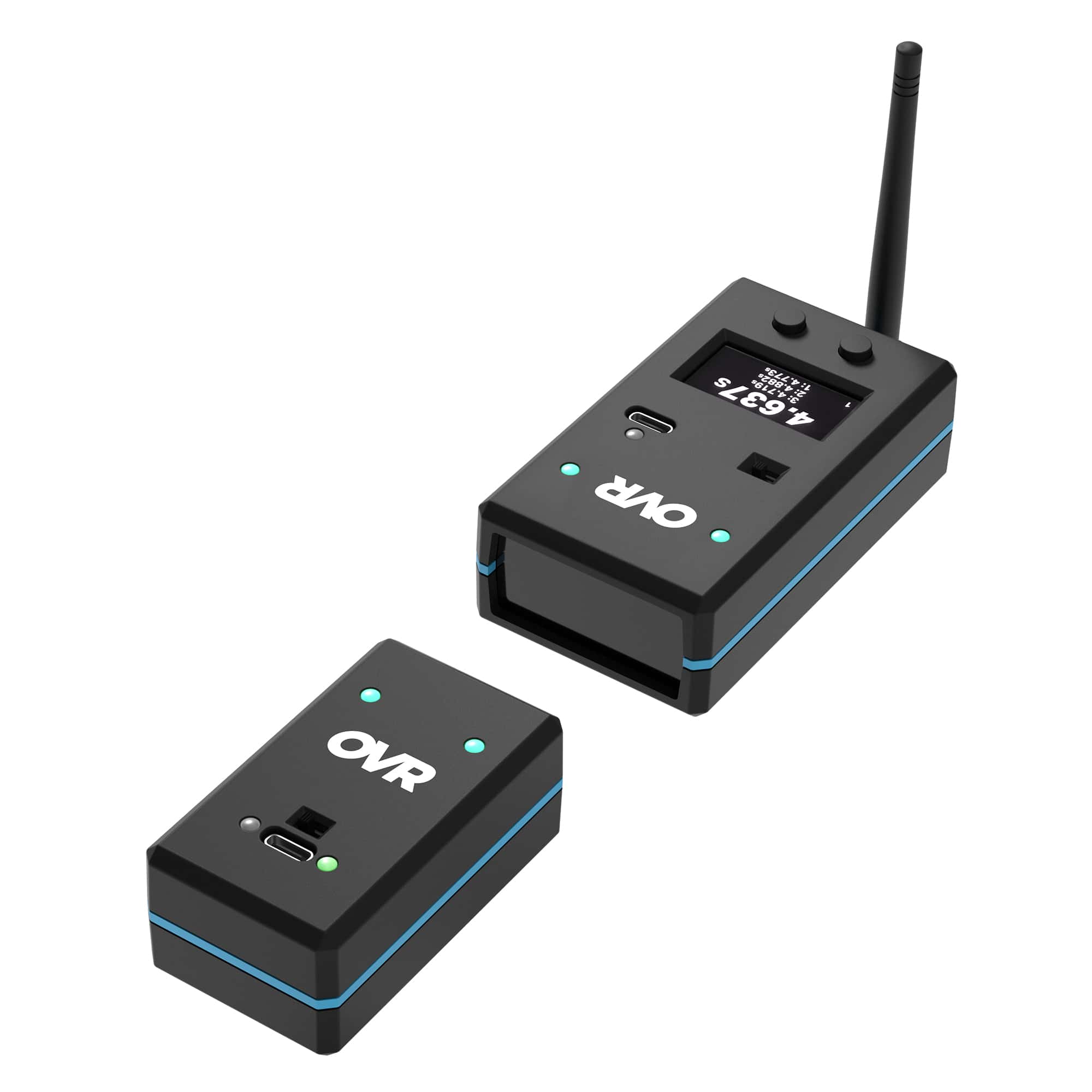
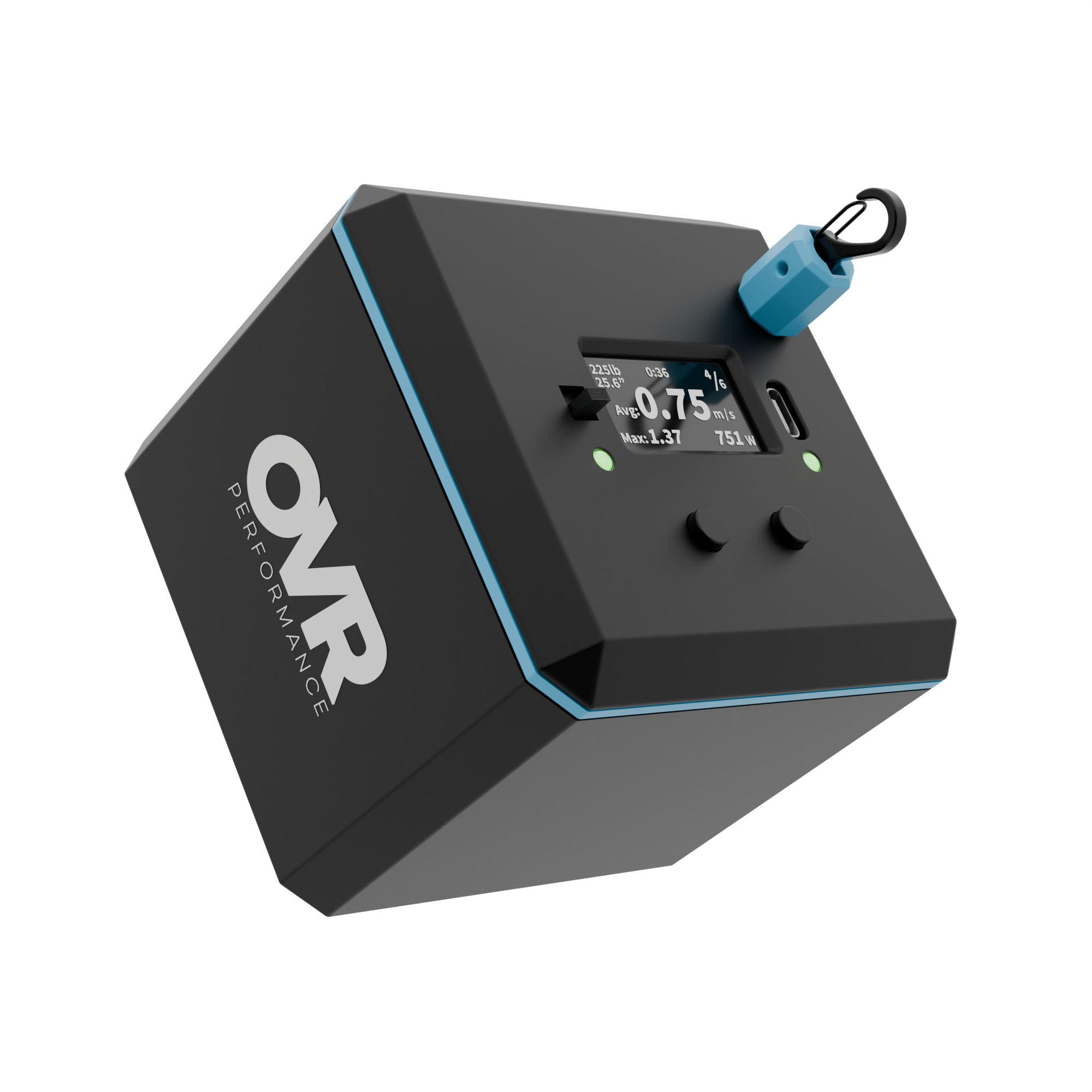
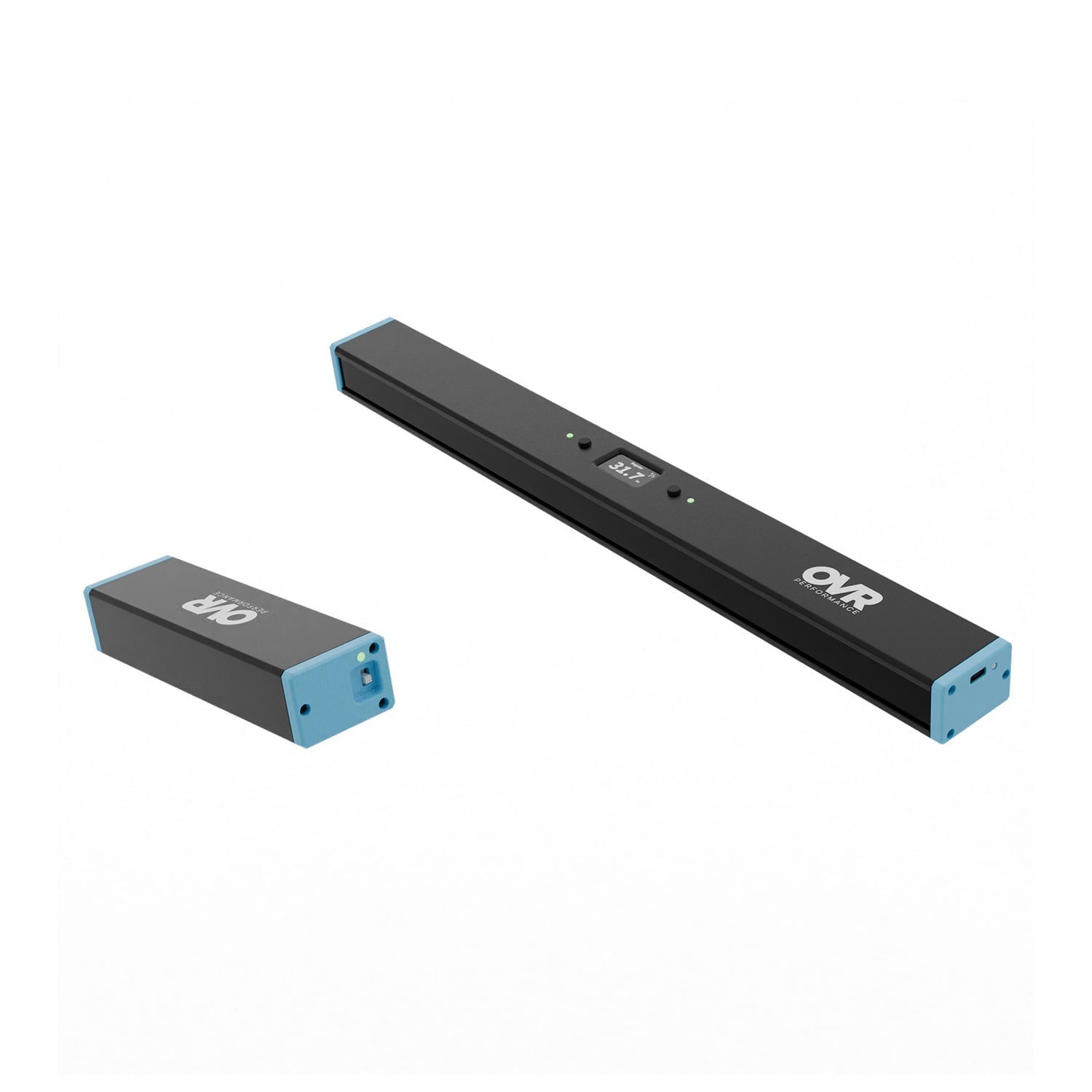
That difference matters because sprint ground contacts last roughly 80 to 100 milliseconds at top speed. At that speed, athletes need to be reactive. Reactive strength is the quality that determines how well they are, and building it requires training that actually imposes that demand. This post covers what that training looks like, how to build it into a program, and how coaches use jump height sensors to confirm it is developing.
What Actually Makes a Movement Plyometric
A plyometric movement is defined by a rapid eccentric loading phase followed immediately by a concentric contraction, with the transition between the two kept as brief as possible [1]. That transition is called the amortization phase. The shorter it is, the more plyometric the movement is. If it runs too long, the elastic energy stored during the eccentric phase dissipates and the training effect changes with it [2].
The mechanism behind this is the stretch-shortening cycle (SSC). When a muscle is rapidly stretched under load, as happens during the landing phase of a hop or bound, elastic energy is stored in the muscle-tendon unit. If the athlete immediately transitions into a push-off, that energy is released and adds to the power of the contraction [3]. This is the same mechanism that drives every sprint stride. As mentioned, ground contact time at top speed drops to roughly 80 to 100 milliseconds [4], which is why the speed of that eccentric-to-concentric transition matters so much for sprint performance.
For a movement to qualify as truly plyometric, it needs an involuntary or imposed stretch such as a landing or braking action, a very short ground contact typically under 250 milliseconds [5], and an immediate push-off with no pause between landing and takeoff. Hurdle hops, ankle pops, depth jumps, and reactive bounding all meet these criteria. A box jump with a reset at the bottom or a broad jump from a dead stop do not impose the same reactive demand, which is why they tend to develop a different quality even when they look similar on the surface.
Box jumps, squat jumps, and broad jumps develop power and belong in a speed program, often as a useful lead-in to reactive work. The distinction worth understanding is that ground contact time is not a constraint in those movements. In plyometric training, minimizing that ground contact time, and specifically the amortization phase, is what tends to develop the reactive qualities most relevant to sprint speed.
What Plyometrics Actually Develop
Reactive strength is the ability to accept force and redirect it quickly. It is measured as the reactive strength index (RSI): jump height divided by ground contact time. Higher RSI means more force expressed in less time on the ground. Research shows large, significant correlations between RSI and sprint times in the 5 to 30 meter range, with stronger relationships in the mid-to-late acceleration phase than in the initial drive phase [6]. That is the segment where ground contact time tends to become a limiting factor, and reactive strength is closely tied to keeping it short.
Tendon stiffness determines how efficiently the muscle-tendon unit stores and returns elastic energy. Plyometric training is one of the primary stimuli for tendon adaptation [7]. This is part of why plyometric benefits take time to fully express. Tendons adapt more slowly than muscle, but for sprinting, those adaptations matter.
Rate of force development describes how fast an athlete can ramp up force production. In short ground contacts, the rate at which force develops becomes a constraining factor, since there is limited time to reach peak output. Rate of force development is trained directly through reactive, high-velocity movements [8].
Neuromuscular coordination is the nervous system learning to recruit the right muscles in the right sequence for explosive ground contact. It is largely automatic, but it is developed through repetition of reactive movements under appropriate conditions [9].
Building It Into a Program
Rep quality is the training stimulus. When ground contacts slow and the amortization phase lengthens, the reactive quality of the session goes with it.
Who is ready?
Athletes tend to benefit from a strength and movement foundation before introducing reactive work. The principle is the same as any other training quality: break movements into their component parts, establish technique on each, and build load or complexity gradually over time. A simple starting screen is whether the athlete can drop from a modest height, land quietly with stable hips and knees, and hold that position for a few moments. If that is not there yet, isolating the landing pattern and progressing from lower heights is the right starting point before adding the reactive demand on top [10].
Volume
Plyometric volume is typically measured in foot contacts, the number of ground strikes per session. A consistent finding across research and coaching practice is that volume and intensity work inversely: as exercise intensity increases, total contacts per session should come down [12]. The ranges below are examples drawn from those guidelines and common The ranges below are examples drawn from research and common practice and are not rigid prescriptions. Actual targets will vary based on the athlete's training age, sport, and where they are in the training year.
| Phase | Intensity | Example Contacts Per Session | Frequency |
|---|---|---|---|
| Introduction | Low (ankle pops, low hurdle hops) | 80 to 100 | 2 to 3x per week |
| Development | Moderate (continuous hurdle hops, bounding) | 60 to 80 | 2 to 3x per week |
| Realization | High (depth jumps, single-leg reactive) | 40 to 60 | 1 to 2x per week |
| In-Season | Low to Moderate | 20 to 40 | 1x per week |
Keeping sessions to 2 to 3 exercises at a time allows athletes to develop the movement quality that makes each exercise effective [12]. Getting the most out of plyometric training tends to come from doing a small number of exercises well and consistently. Keep contacts conservative, especially when introducing new exercises. Tendon adaptation lags well behind the cardiovascular and muscular adaptations most coaches track, and programs that progress too fast risk outpacing the tissue's ability to adapt.
Rest between sets
Full recovery between sets is important and often undervalued. The goal is reactive power, and reactive power requires a rested nervous system. For high-intensity work such as depth jumps, 2 to 3 minutes between sets is a well-supported target, with 5 to 10 seconds between individual reps within a set [12]. When rest is cut short, the session tends to shift toward a conditioning stimulus rather than a reactive one.
The Exercises
The exercises below represent a starting framework. Many variations and progressions exist, and the right choice for any athlete depends on their training age, movement quality, and where they are in the program. Any exercise can be appropriate or inappropriate depending on how it is applied. The exercise matters less than whether it creates a reactive ground contact the athlete is ready to handle.
Ankle pops
A foundational starting point for plyometric training. The athlete bounces in place using only the ankle, with minimal knee bend. Ground contact is brief and the focus is on stiffness and elasticity rather than jump height. This is where SSC training tends to begin, and most athletes across levels benefit from including them in warm-up.
Continuous hurdle hops (bilateral)
Set up a series of hurdles, typically 6 to 12 inches for most athletes. The athlete hops over each one continuously with both feet, minimizing ground contact between reps. The hurdles provide rhythm and a physical target. Landing and leaving the ground quickly in succession is where the reactive stimulus comes from.
Continuous hurdle hops (single-leg)
The unilateral version of the above. Sprint strides are single-leg movements, which makes single-leg reactive training more sprint-specific than bilateral work in many cases. Develop bilateral competency before progressing here, and manage volume carefully. The demand on each leg is higher and injury risk increases if introduced too quickly.
Reactive bounding
Alternating-leg bounding where the athlete actively minimizes ground contact and maximizes horizontal distance with each stride. This is one of the more sprint-specific plyometric movements because it replicates the single-leg push-off pattern of sprinting in a measurable, repeatable format. Standing triple jump distance is one way coaches assess horizontal power development over a training block, as it reflects the same single-leg push-off qualities being trained.
Depth jumps
The athlete steps or drops from a box, typically 12 to 24 inches, contacts the ground, and immediately jumps for maximum height. The drop imposes the eccentric load. The athlete's job is to redirect as fast as possible. This is a high-intensity exercise that belongs late in a progression. Athletes who have not established landing competency are generally not ready for it [10, 12].
Drop and go
A variation where the athlete drops, contacts the ground, and immediately sprints rather than jumping vertically. Research suggests that horizontal reactive output following a drop transfers well to short-distance acceleration, making this a practical way to connect reactive training directly to the sprint pattern [13].
Connecting Plyometrics to Sprint Training
Developing reactive qualities in isolation is not enough. For those qualities to show up in sprint times, the program has to connect them.
Pair reactive work with sprint acceleration
A short plyometric series of hurdle hops, bounds, or other appropriate reactive exercise followed immediately by a sprint is one of the more direct connections between plyometric training and speed. The nervous system is primed from the reactive work and the athlete expresses it in the sprint. This pairing aligns with established speed training principles [11].
Track RSI alongside sprint splits
RSI measured during depth jumps or hurdle hops gives coaches a real-time look at how reactive qualities are developing across a training block. If RSI is improving but sprint splits in the 10 to 30 meter range are not following, the transfer may be incomplete and something in the program may need adjustment. If both are moving, the work is connecting.
Sequence matters within the session
Plyometric work tends to benefit from being placed after a thorough warm-up and before accumulated fatigue changes the quality of ground contacts. When reactive work is performed while fatigued, the amortization phase lengthens and the training stimulus shifts accordingly.
| Worth Keeping in Mind | Worth Reconsidering |
|---|---|
| True plyometrics impose a reactive ground contact with minimal amortization time | Labeling any jumping exercise as plyometric training |
| Quality of each rep is the stimulus. Low contacts, full rest. | Stacking sets with short rest to build volume |
| Build bilateral competency before single-leg reactive work | Progressing past an athlete's current competency |
| Pair reactive work with sprint work for improved transfer | Running plyometrics and sprint sessions on opposite ends of the week with no connection |
| Track RSI to measure what is actually developing | Training reactive qualities without measuring them |
What Progress Looks Like
RSI improves. The athlete spends less time on the ground and leaves it faster. Among the metrics available, this one tends to track reactive strength development most closely.
Ground contacts get quieter. Not a metric, but a real coaching signal. Athletes developing reactive strength tend to make snappier, softer contacts over time. Loud, heavy landings can indicate insufficient stiffness or poor timing in the amortization phase.
Sprint splits improve in the 10 to 30 meter range. Research suggests this is where reactive strength tends to have its strongest influence on sprint performance, making it a useful place to look for early signs that the training is transferring.
Plyometric adaptations are not always linear. Tendon adaptations accumulate slowly and sometimes express in performance weeks after the training stimulus. Consistent programming over a full block tends to outperform short aggressive bursts.
Reactive strength is trainable, and programs that train it deliberately tend to see it develop. The movements have to impose a real reactive demand. The volume has to allow the tissue to adapt. The recovery has to be long enough for each rep to actually express the quality being trained. When those pieces are in place, the progress comes gradually. Ground contacts get shorter and sharper, RSI moves in the right direction, and for most athletes the sprint times will follow.
References
- Davies, G., Riemann, B. L., & Manske, R. (2015). Current concepts of plyometric exercise. International Journal of Sports Physical Therapy, 10(6), 760-786.
- Flanagan, E. P., & Comyns, T. M. (2008). The use of contact time and the reactive strength index to optimize fast stretch-shortening cycle training. Strength and Conditioning Journal, 30(5), 32-38.
- Kons, R. L., et al. (2023). Effects of plyometric training on physical performance: an umbrella review. Sports Medicine Open, 9, 4.
- Weyand, P. G., Sternlight, D. B., Bellizzi, M. J., & Wright, S. (2000). Faster top running speeds are achieved with greater ground forces not more rapid leg movements. Journal of Applied Physiology, 89(5), 1991-1999.
- Flanagan, E. P., & Comyns, T. M. (2008). The use of contact time and the reactive strength index to optimize fast stretch-shortening cycle training. Strength and Conditioning Journal, 30(5), 32-38.
- Byrne, P. J., et al. (2025). Reactive strength ability is associated with late-phase sprint acceleration and ground contact time in field sport athletes. Applied Sciences, 15(12), 6910.
- Kubo, K., Kanehisa, H., & Fukunaga, T. (2001). Effects of different duration isometric contractions on tendon elasticity in human quadriceps muscles. Journal of Physiology, 536(2), 649-655.
- Cormie, P., McGuigan, M. R., & Newton, R. U. (2011). Developing maximal neuromuscular power: Part 1, biological basis of maximal power production. Sports Medicine, 41(1), 17-38.
- Taube, W., Leukel, C., & Gollhofer, A. (2012). How neurons make us jump: the neural control of stretch-shortening cycle movements. Exercise and Sport Sciences Reviews, 40(2), 106-115.
- Lloyd, R. S., & Oliver, J. L. (2012). The youth physical development model: a new approach to long-term athletic development. Strength and Conditioning Journal, 34(3), 61-72.
- Seagrave, L., Mouchbahani, R., & O'Donnell, K. (2009). Neuro-mechanics of the sprint start. New Studies in Athletics, 24(1), 73-88.
- Haff, G. G., & Triplett, N. T. (Eds.). (2016). Essentials of strength training and conditioning (4th ed.). Human Kinetics.
- Montoro-Bombú, R., et al. (2023). Methodological considerations for determining the volume and intensity of drop jump training: a systematic, critical and prepositive review. Frontiers in Physiology, 14, 1181781.


Leave a comment
This site is protected by hCaptcha and the hCaptcha Privacy Policy and Terms of Service apply.